LOOKBOOK MINERAL DYE FIELD VISIT WILD CLAY NEEDLE & WOOL
MINERAL DYE
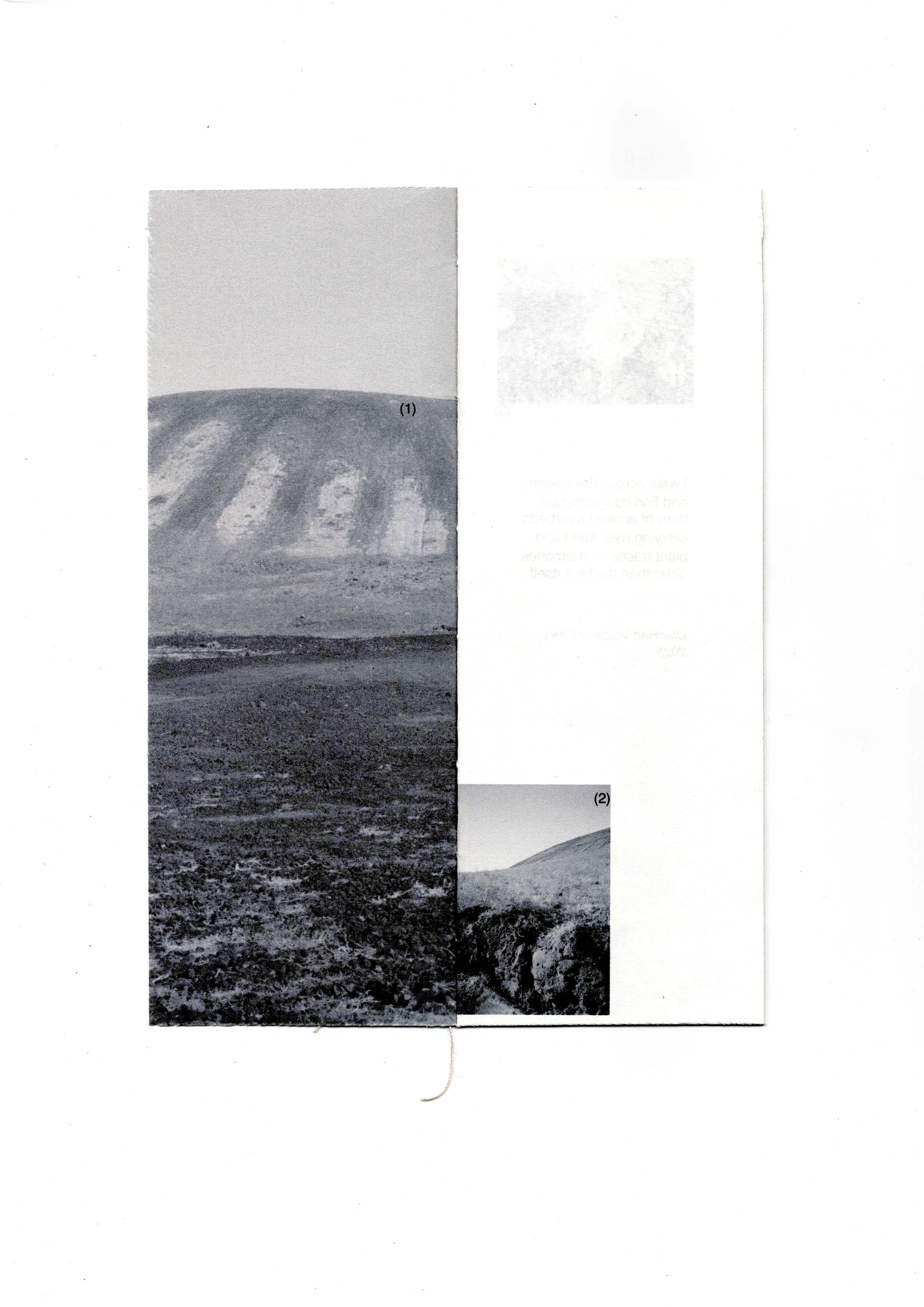
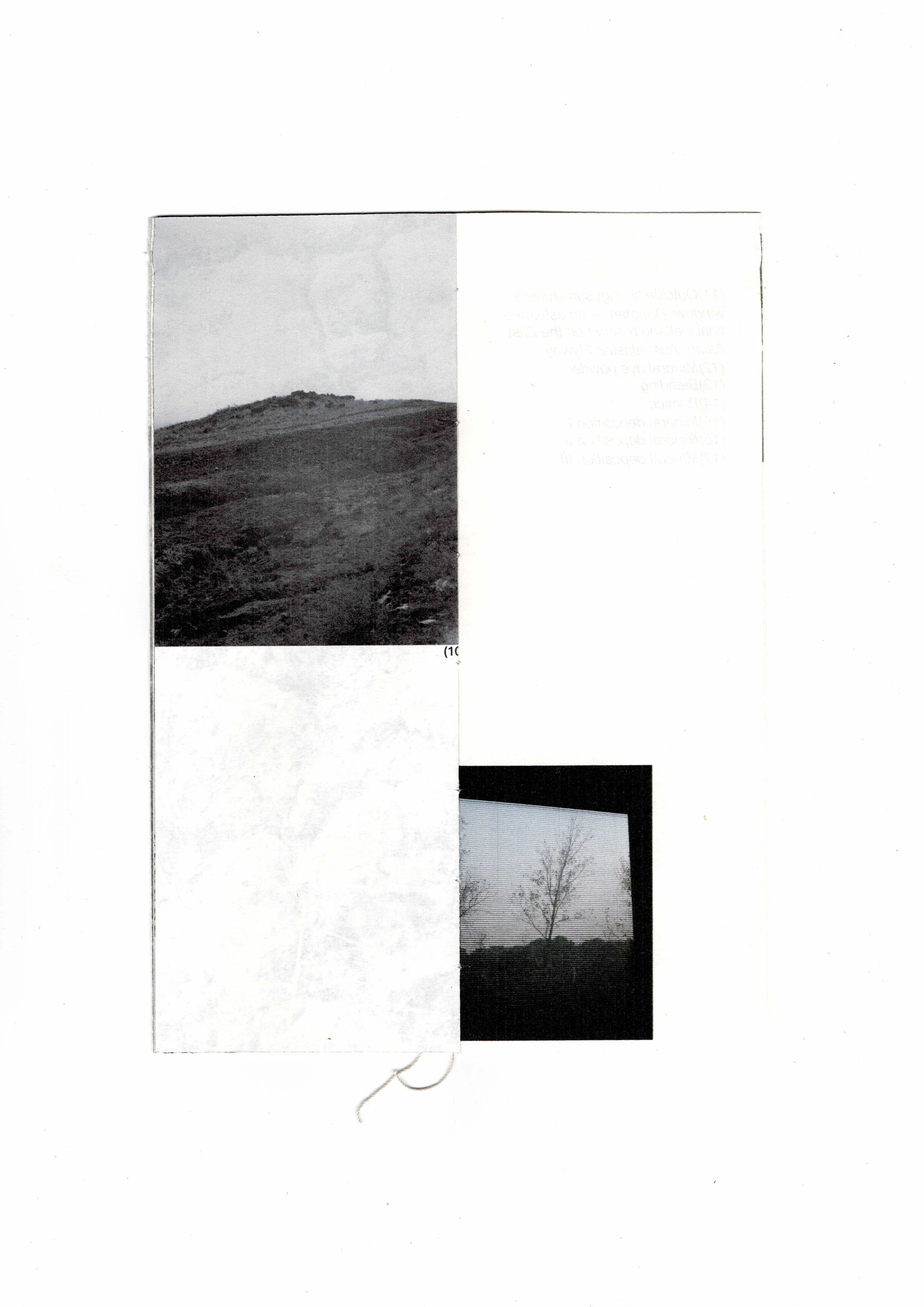
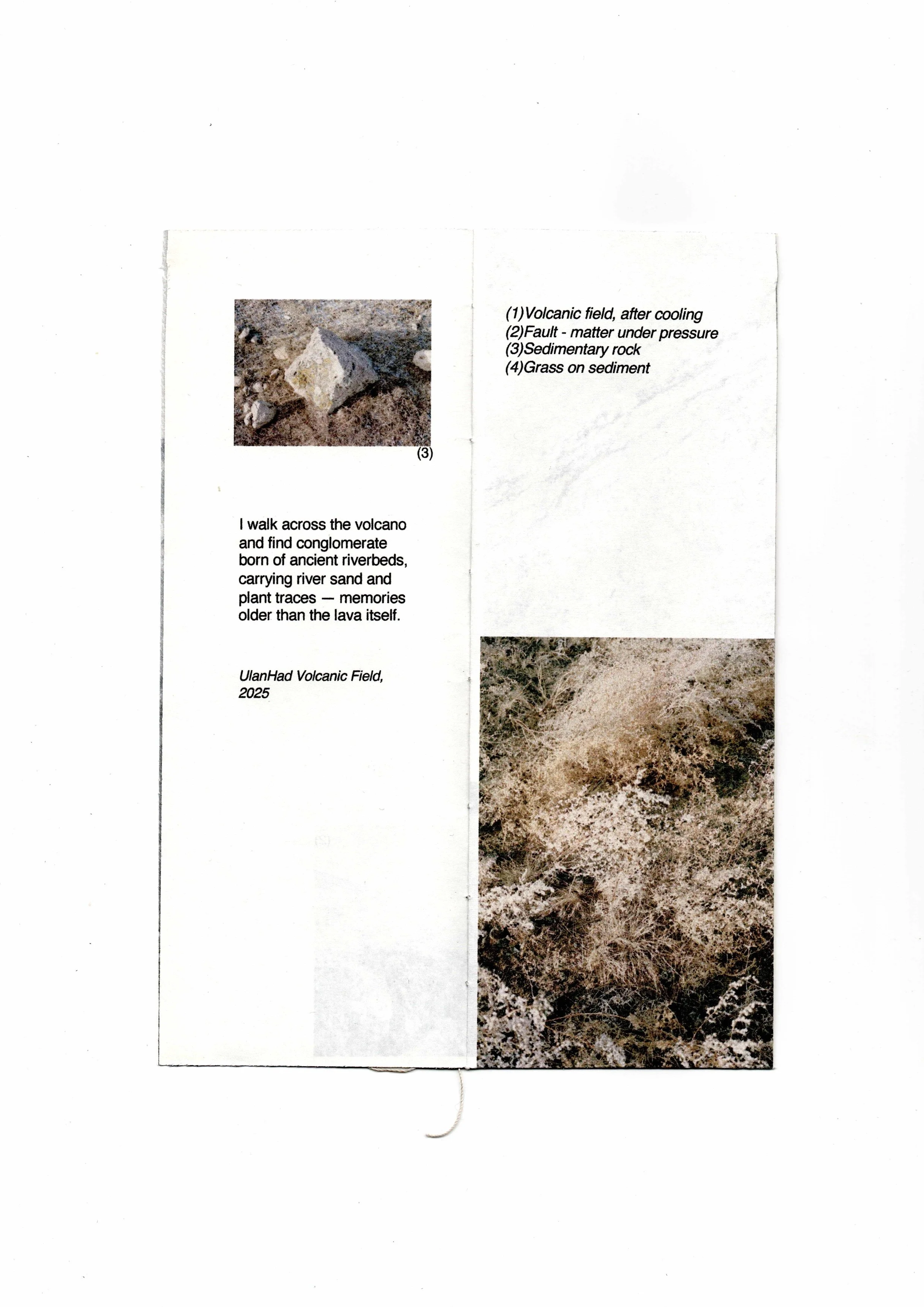
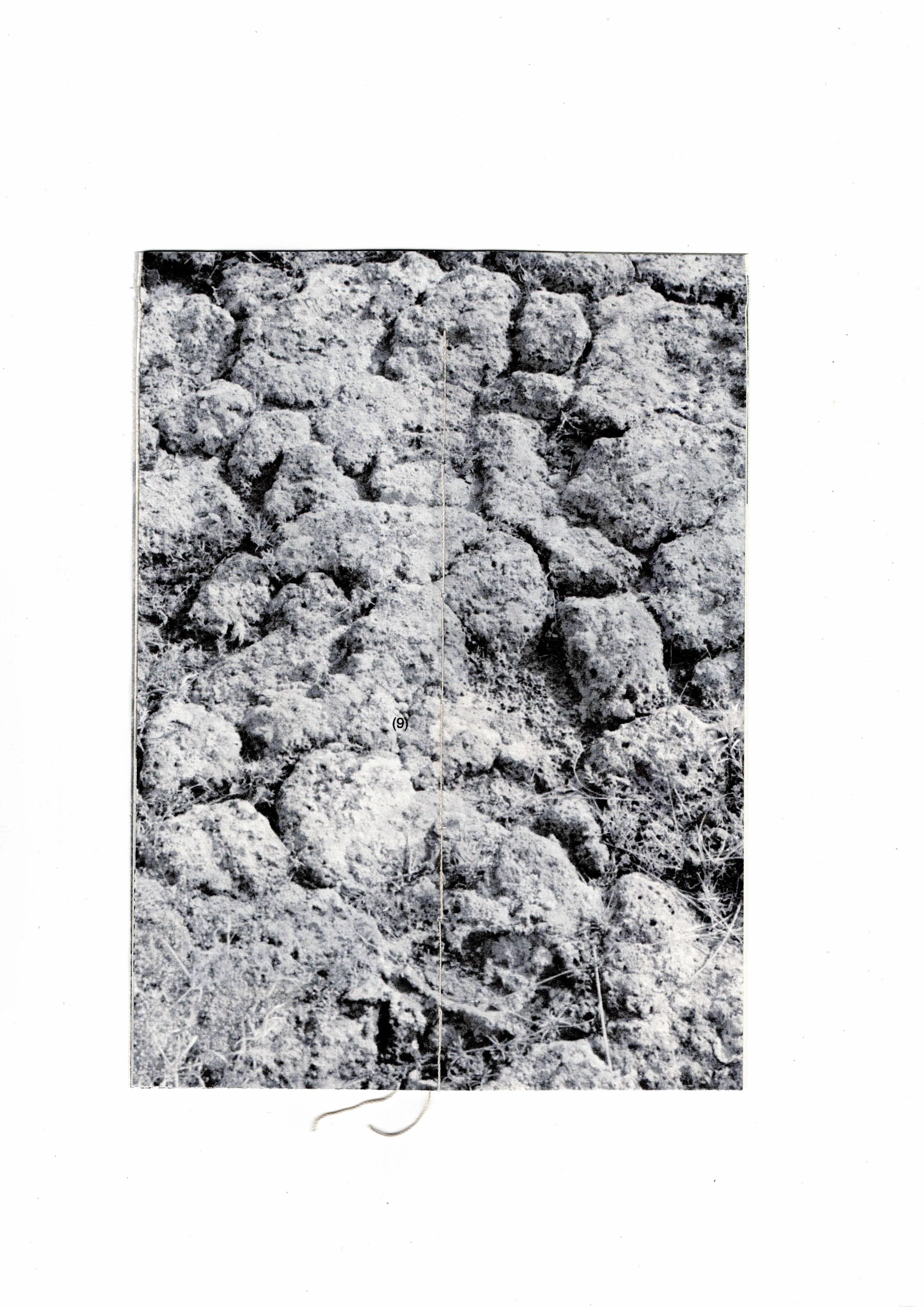
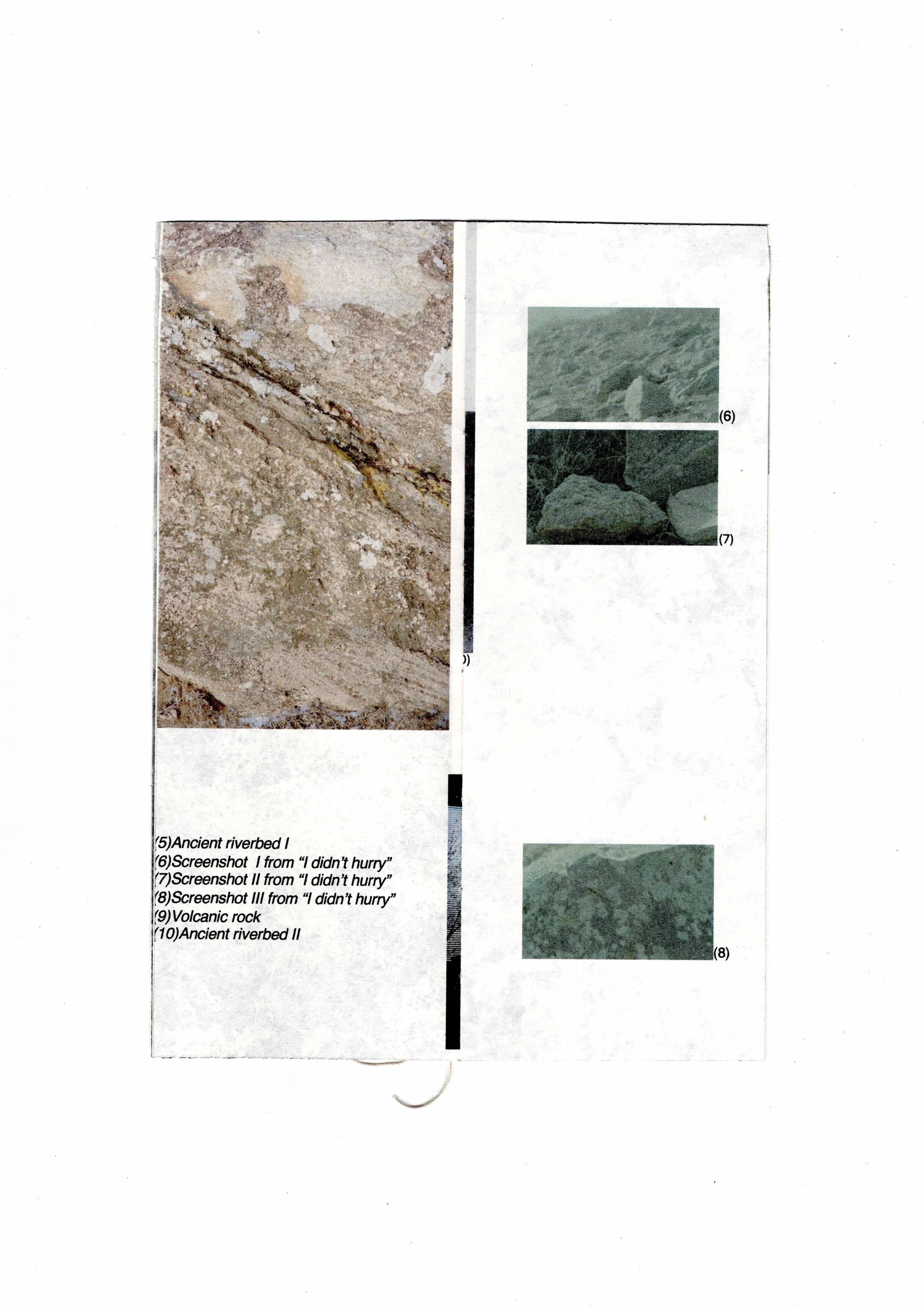
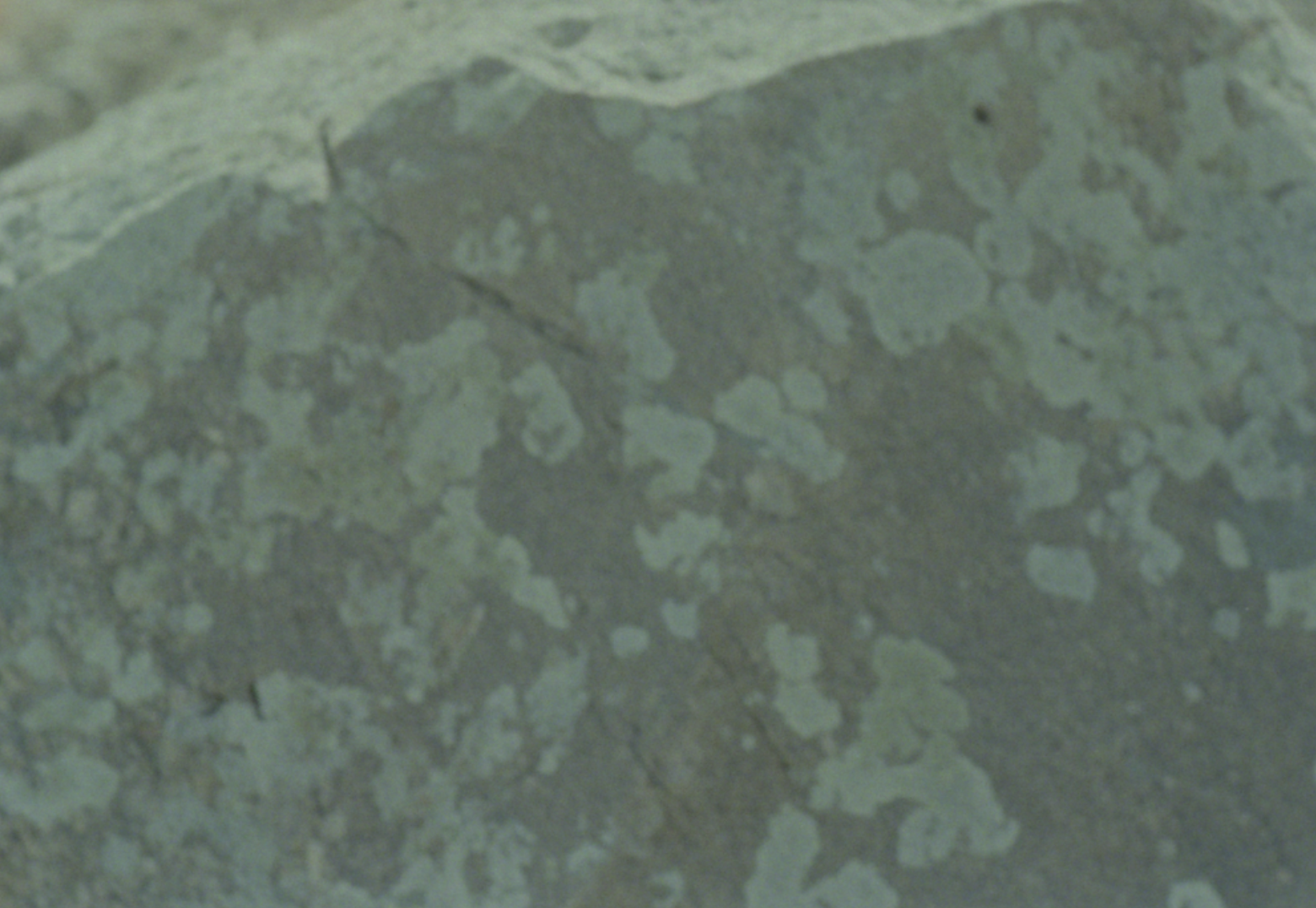
We went to a volcanic geological belt that began erupting around 26,000 years ago. This area has become a grassland consisting of more than thirty volcanoes. In the field, we found many different volcanic stones, all formed in ancient times, and because of their different compositions the stones display different colors.
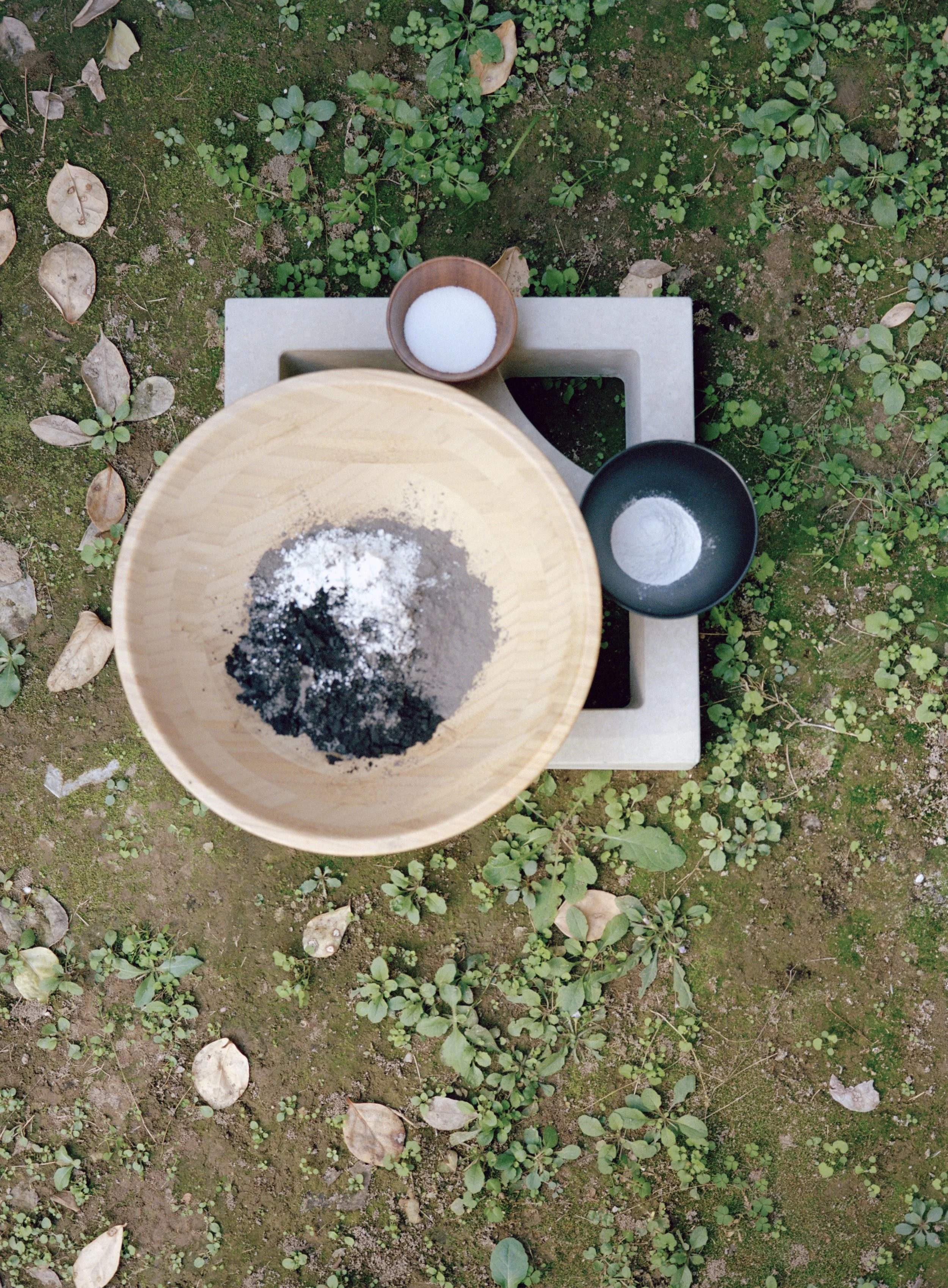
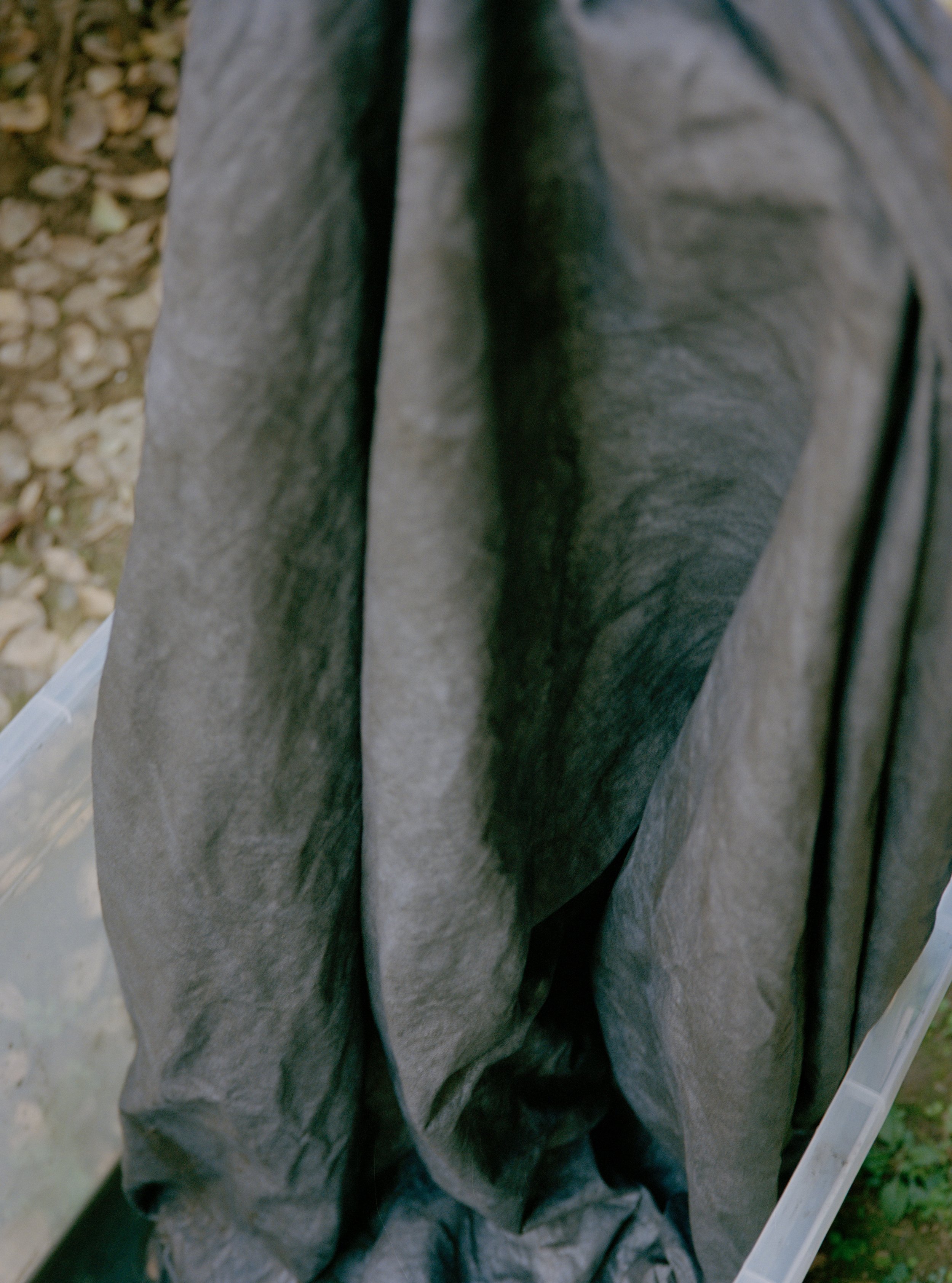
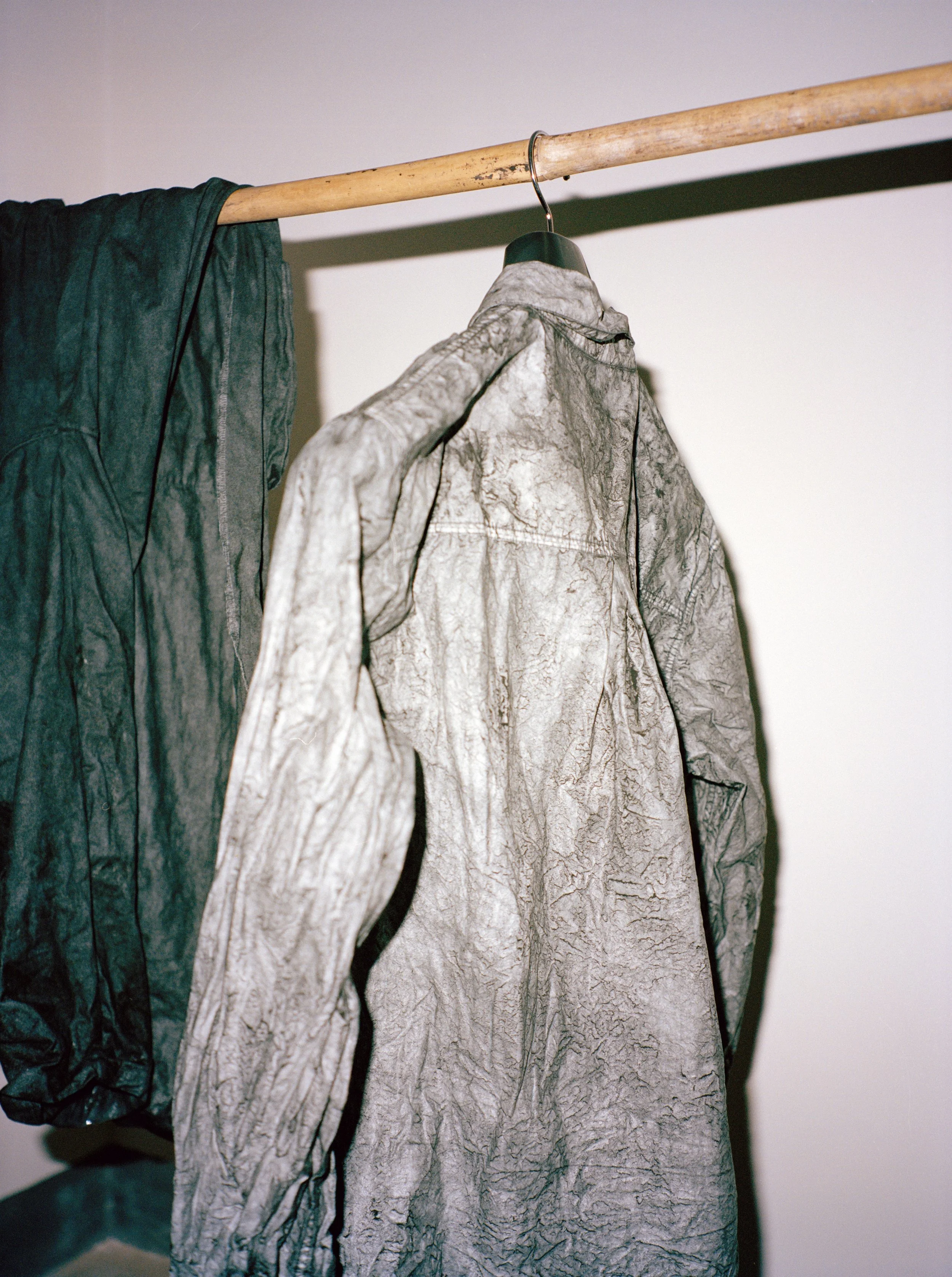
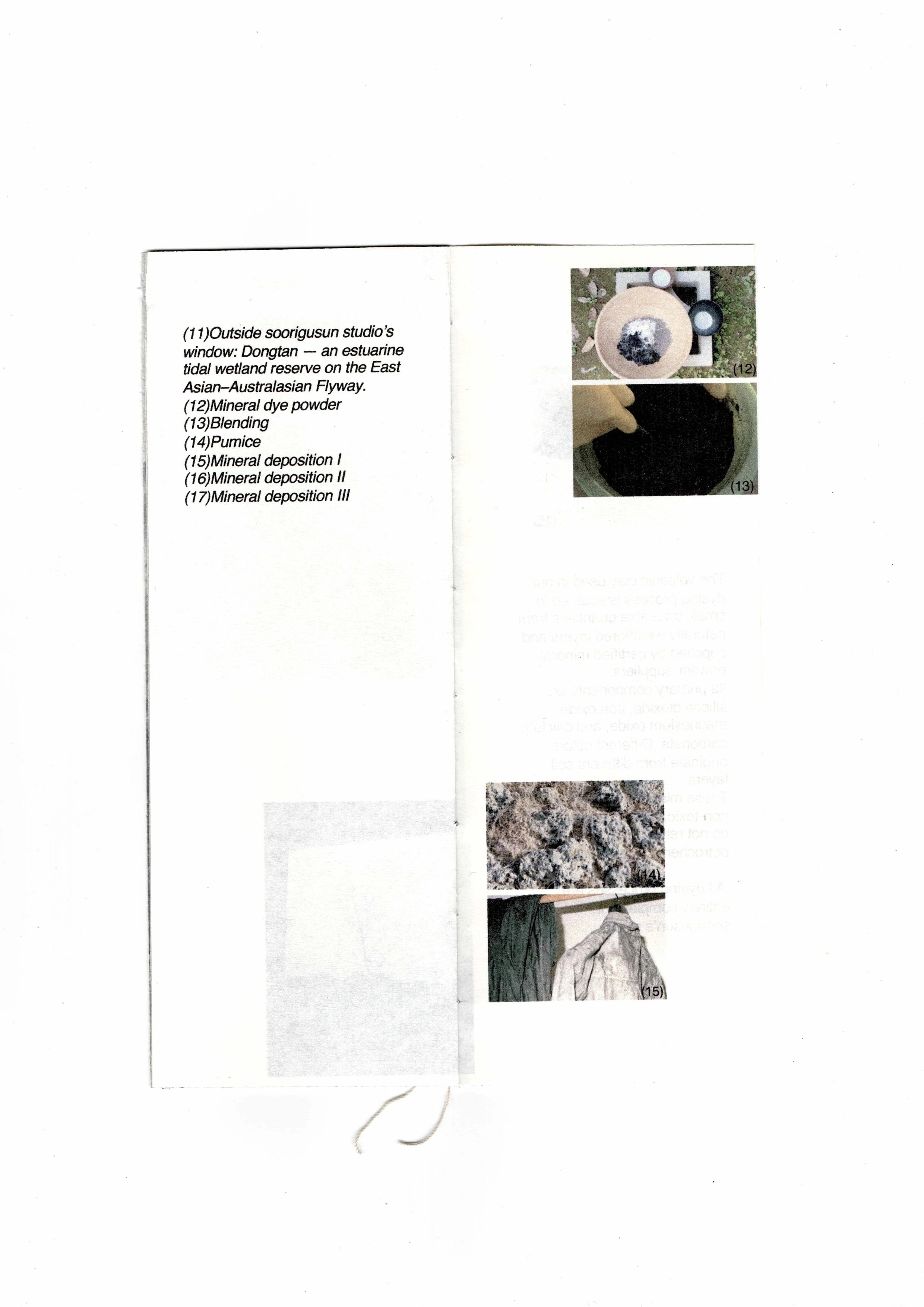
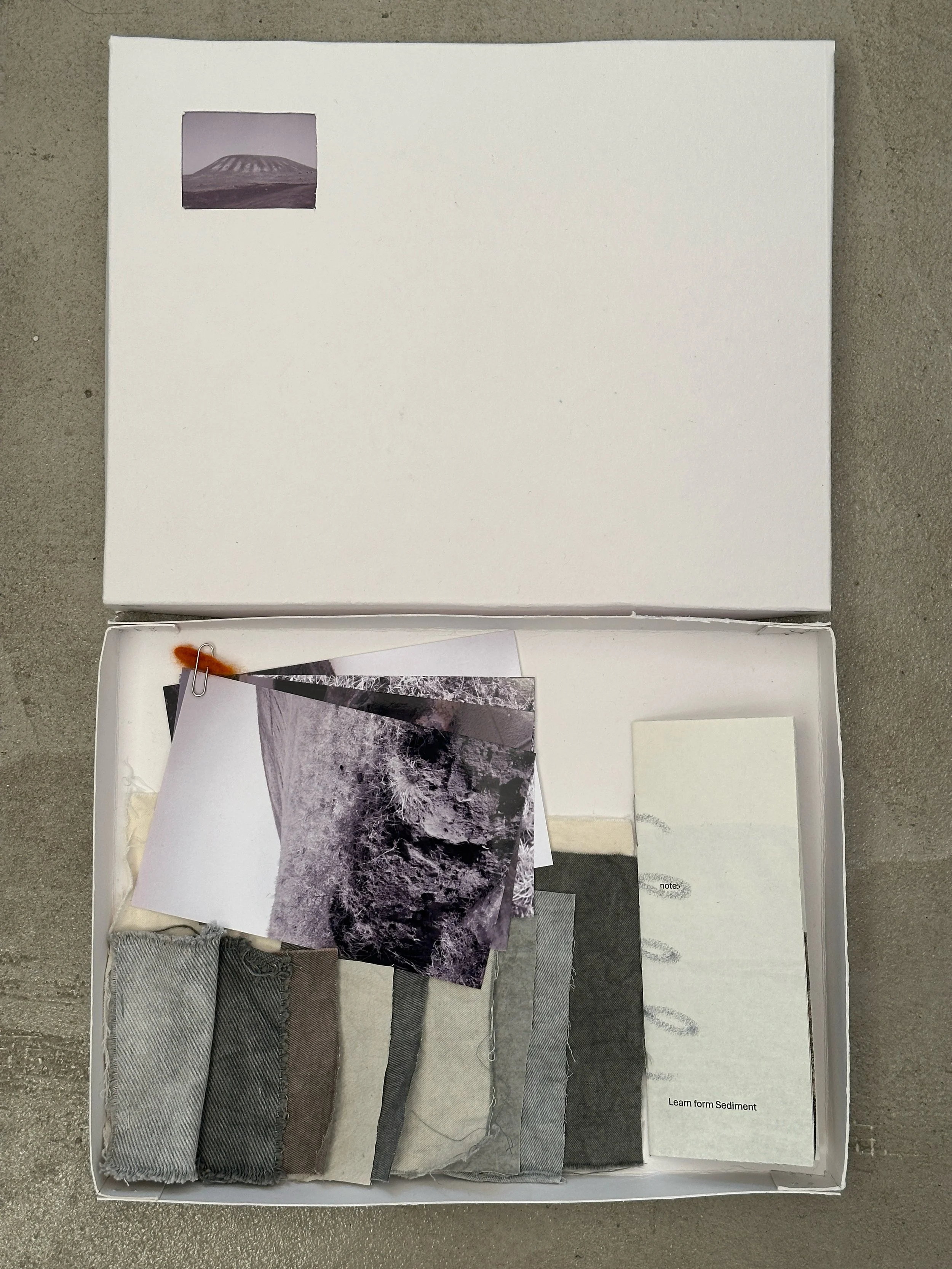
We brought these volcanic stones back to the studio for dyeing experiments. In our dyeing practice, rocks are broken down and introduced into water, where they undergo repeated settling and rinsing before the color is locked into the fiber. We tested dye solutions with different combinations of stones and used natural fabrics as base cloth for dyeing. Volcanic clay with higher iron content, when paired with cotton, produced a red tone similar to oxidized iron. Volcanic stones with higher silica content, when combined with undyed cotton–linen blend fabrics, produced a misty grey color. Through different combinations and experiments, we selected two dye agents developed in practice and paired them with natural fabrics of different textures to create the mineral-dyed products in Series 1.
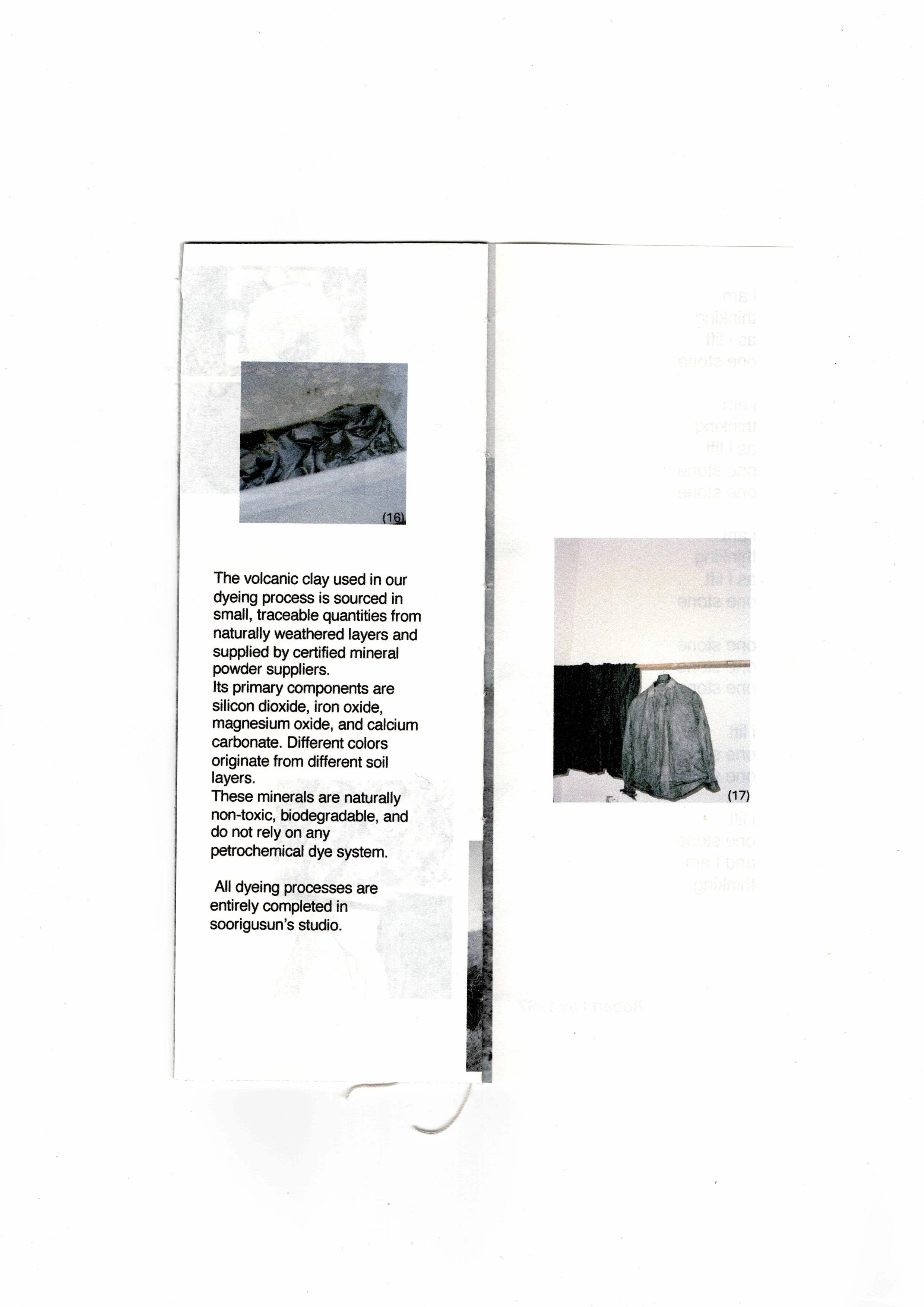
Volcanic clay used in our dyeing process is sourced in small, traceable quantities from naturally weathered layers and tested and provided by licensed mineral powder suppliers. Each material is non-toxic, fully biodegradable, and free from petrochemical synthesis.
The dyeing process relies on mineral sedimentation rather than synthetic coloration.
It operates at room temperature and minimal energy use. Residual mud is safely returned to the soil.